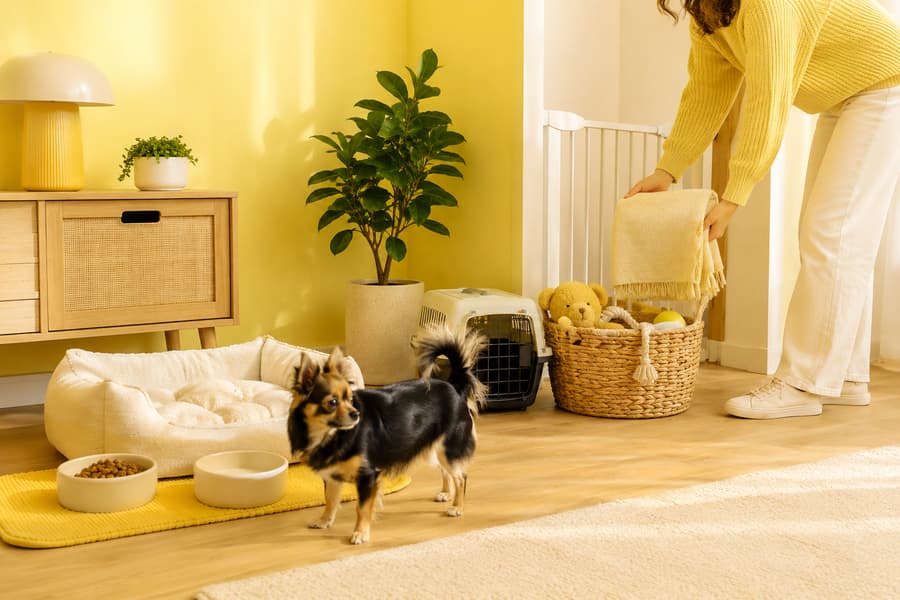
First week after pet adoption experiences often shape the tone of the entire adjustment period. Even a wonderful adoption can feel overwhelming when the pet is nervous and the owner is unsure what to expect. A calmer first week does not require perfection. It requires patience, clear routine, and a realistic understanding that many pets need time to settle. The Step-by-Step Pet Adoption Toolkit helps owners navigate those early days with more confidence and fewer avoidable mistakes.
The first week should not feel like a celebration tour. Many pets do better when the home stays calm, quiet, and predictable. Too many visitors, loud activity, or constant handling can slow adjustment. A low-pressure environment helps the pet notice routines, feel safer, and begin trusting the new space. Early simplicity usually leads to better long-term confidence.
Routine is one of the most helpful gifts an owner can offer in the first week. Feeding, potty breaks, walks, rest, and play should happen in a reasonably consistent rhythm. Pets often settle faster when the day makes sense. Routine also helps owners feel more grounded because they are not improvising every moment.
Many newly adopted pets eat differently, sleep more, hide, vocalize, or behave cautiously at first. This does not automatically mean something is wrong. Owners should observe calmly, give space, and notice patterns. Of course, health concerns still deserve attention, but emotional adjustment should also be respected. The first week is often about learning, not judging too fast.
Trust builds through small, positive moments. Short play sessions, gentle talking, treats when appropriate, and quiet sitting nearby can all help. A pet does not need constant attention to bond. In fact, too much pressure can slow trust. Gentle consistency often works better than overwhelming enthusiasm, especially during those first few days.
Some first-week problems are normal, while others call for support. Ongoing refusal to eat, unusual fear, illness signs, bathroom problems, or safety concerns deserve attention from a veterinarian or behavior professional. The Step-by-Step Pet Adoption Toolkit helps owners understand what to watch for and how to create steadier early care without falling into panic.
The first week is not about getting everything perfect. It is about building safety, predictability, and trust. Calm pacing can shape a much better long-term transition. For readiness before adoption, read the Pet Adoption Checklist article. For a better home setup, continue with the Prepare Your Home for an Adopted Pet article. The Step-by-Step Pet Adoption Toolkit helps owners turn the first week into a safer and more reassuring beginning.




Leave a comment