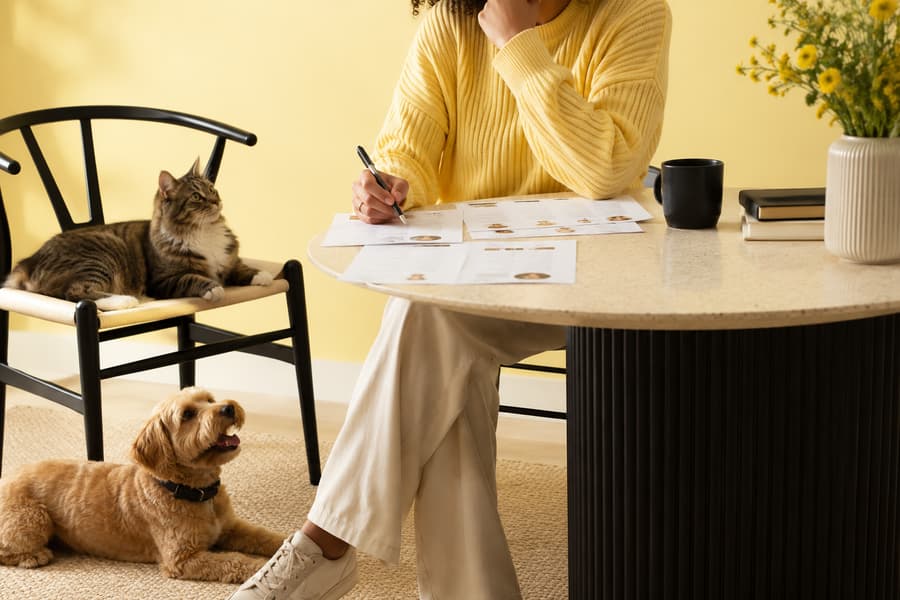
How to choose the right pet becomes much easier when people think beyond appearance and emotion. A pet should fit daily routine, space, energy level, budget, and long-term responsibility. Many mismatches happen because people choose the idea of a pet rather than the reality of caring for one. A more thoughtful process helps both people and animals. The Step-by-Step Pet Adoption Toolkit helps future owners slow down and make a better match from the beginning.
Time is one of the biggest factors in pet compatibility. Some animals need frequent walks, training, grooming, and direct engagement, while others may fit more independent households. People should ask how much daily attention they can realistically provide. This includes ordinary weekdays, not only weekends or ideal situations. Honest answers here can prevent disappointment later.
A pet’s comfort is shaped by the home it lives in. Apartment living, shared housing, fenced yards, and access to quiet spaces all matter. Large, active animals may struggle in small or highly restricted environments. Sensitive pets may need quieter homes. Choosing well means thinking about what the home supports naturally rather than hoping the pet will simply adapt to anything.
Adoption fees are only the beginning. Food, veterinary care, grooming, supplies, training, and emergencies all affect long-term cost. People do not need luxury budgets to be good pet owners, but they do need realistic planning. Budget awareness helps create stable care and reduces the chance of stress-driven decisions later.
Different pets and breeds can vary widely in energy, sociability, trainability, and sensitivity. Some people want a playful companion, while others want a calm animal that enjoys quiet evenings. Temperament fit matters as much as size or appearance. The Step-by-Step Pet Adoption Toolkit helps future owners think through lifestyle and personality fit with more intention.
The earliest days after adoption can feel joyful and intense, but choosing the right pet means thinking long term. What will life look like in six months? What about during work changes, travel, or family shifts? A strong decision considers the ordinary future, not only the first emotional moment. Good matching leads to steadier homes and more secure pets.
A good pet match supports both the animal and the owner from the start. Time, home setup, budget, and temperament all deserve careful attention. For readiness planning, read the Pet Adoption Checklist article. For home setup support, continue with the Prepare Your Home for an Adopted Pet article. The Step-by-Step Pet Adoption Toolkit helps turn a hopeful idea into a responsible and lasting match.



Leave a comment