

Every dog owner needs reliable year-round dog care tips to protect their pet’s health in every season. Weather shifts affect energy levels, skin condition, nutrition, and behavior. Many people adjust care only when problems appear. Smart owners prepare early and stay consistent. That approach prevents stress and supports long-term wellness.
Dogs face different risks in spring, summer, fall, and winter. Allergies rise in spring. Heat exhaustion threatens in summer. Joint stiffness appears in colder months. A proactive plan keeps your dog stable through all changes. You need structure, not guesswork.
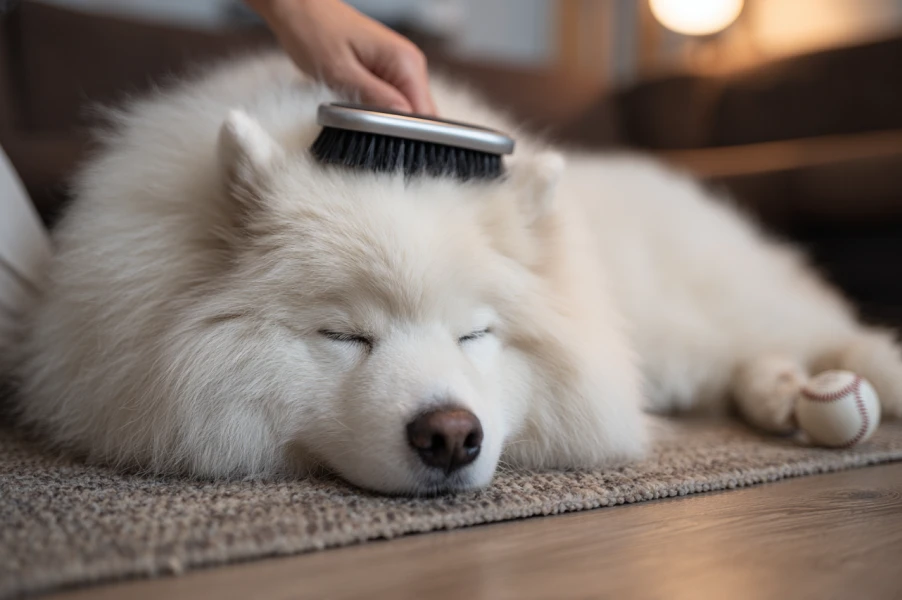
Seasonal shifts influence hydration, coat health, exercise tolerance, and immune strength. Many owners react instead of planning ahead. That reactive approach increases vet visits and discomfort.
Strong year-round dog care tips create a predictable routine. Dogs thrive on consistency. Their bodies adapt better when owners adjust gradually. Prevention costs less than treatment.
The structured system inside the Seasonal Care Tips for Dogs provides clear seasonal action steps. It outlines grooming changes, exercise adjustments, and health monitoring tasks for each quarter. This format removes uncertainty and simplifies planning.
A well-organized seasonal pet wellness guide allows you to anticipate risks before symptoms appear. You move from reacting to leading.
Dog health by season varies more than most owners realize. Spring introduces allergens and parasites. Summer increases dehydration risks. Autumn often brings shedding and dietary changes. Winter challenges joints and immune response.
During warmer months, reduce midday walks. Provide shade and fresh water. Monitor paw pads on hot surfaces. In colder seasons, protect paws from salt and ice. Adjust calorie intake if activity drops.
The Seasonal Care Tips for Dogs explains these adjustments clearly. It includes structured checklists for each season. Those checklists reduce mental load and increase consistency.
When you follow a documented system, you avoid skipping small details. Small details often prevent larger problems.
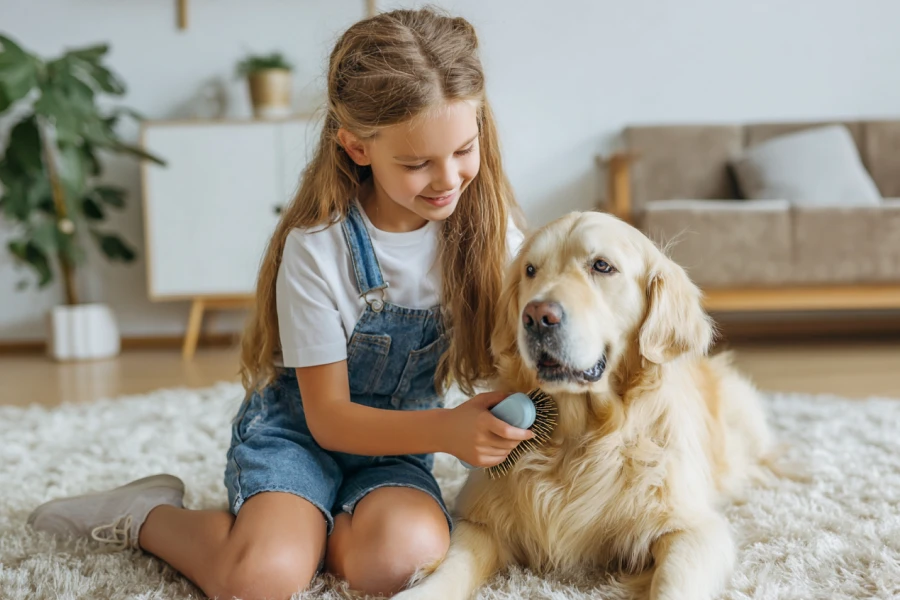
Coat maintenance shifts with temperature and humidity. Spring shedding requires frequent brushing. Summer may require trimming for comfort. Autumn often triggers coat thickening. Winter dryness demands skin support.
Regular brushing improves circulation and reduces matting. Seasonal bathing schedules prevent irritation. Paw inspections protect against hidden injuries.
Many owners forget to adjust grooming tools based on climate. The guide linked above includes grooming frequency recommendations and seasonal adjustments. It also suggests monitoring signs of dryness or irritation.
Skin health reflects overall health. Consistent observation helps you respond quickly.
Dogs burn different amounts of energy across seasons. Active summer months may require hydration support. Cold weather may increase calorie needs for outdoor dogs.
Monitor weight monthly. Track energy levels. Observe appetite changes. Adjust portions gradually.
The Seasonal Care Tips for Dogs includes structured tracking sheets. These tools help you document dietary changes and behavioral patterns. That tracking improves awareness and decision-making.
You should also consider supplements for joint support during colder months. Always consult a veterinarian before major changes.
Physical activity supports joint health and emotional balance. However, seasonal conditions require flexibility.
In summer, schedule walks during cooler hours. In winter, shorten outdoor sessions but increase indoor enrichment. Puzzle toys, scent games, and obedience training maintain stimulation.
Dog health by season also affects motivation. Some dogs slow down in extreme heat. Others resist cold weather. Observe behavior patterns and adjust expectations.
The seasonal pet wellness guide framework inside the resource mentioned above encourages weekly evaluation. It prompts you to note energy shifts and behavioral changes. That system improves consistency and prevents neglect.
Prevention saves money and stress. Schedule routine vet visits before extreme seasonal changes. Update vaccinations on time. Maintain parasite prevention schedules.
Tick season requires vigilance. Flea control needs consistency. Cold months may increase joint discomfort.
The Seasonal Care Tips for Dogs offers monthly checklists that support preventive care. These checklists encourage routine inspection of ears, teeth, coat, and mobility.
Structured monitoring strengthens early detection. Early detection prevents complications.
Year-round dog care tips work best when you build a routine. Consistency reduces anxiety for both you and your dog.
Start with a quarterly review. Adjust grooming, diet, and exercise plans. Track observations weekly. Review progress monthly.
The resource mentioned above includes printable checklists that simplify this process. It combines education with practical tools. Owners gain clarity and confidence without feeling overwhelmed.
When you document patterns, you improve decision-making. Structured systems reduce stress. Dogs respond positively to stable environments.

Preparation creates confidence. Confidence improves consistency. Consistency supports longevity.
A seasonal approach protects against sudden environmental stressors. It reduces preventable vet visits. It strengthens immune response and joint health.
Reliable year-round dog care tips empower owners to think ahead. They encourage proactive adjustments rather than emergency reactions. Structured guidance simplifies complex information.
Dogs depend on leadership. They depend on routine. They depend on informed decisions.
When you follow documented seasonal planning, you create stability in every climate. That stability supports energy, coat health, digestion, and emotional balance.
Thoughtful preparation builds trust between you and your dog. It strengthens your bond and protects their well-being. With clear planning and consistent monitoring, every season becomes manageable and predictable.

If you have any questions, here are some useful links:








Leave a comment